

Our News & Bulletins

Sleep Problems and Stroke Risk
Getting good sleep affects far more than how rested you feel the next morning. Sleep supports cardiovascular and brain health, and a growing body of research has linked several types of sleep problems with a higher risk of stroke.[1] The American Heart Association reviewed the evidence in a 2024 scientific statement on sleep and brain […]

How Much Water Is Enough for Seniors?
Eight glasses of water a day is familiar advice. For older adults, it is also surprisingly close to one major professional recommendation, although the science is more nuanced than a fixed number of glasses suggests. The European Society for Clinical Nutrition and Metabolism (ESPEN) recommends that older women generally be offered at least 1.6 liters […]

Seniors, Don’t Wait Until You Are Thirsty
For most of our lives, thirst provides a useful reminder that it is time to drink something. As we get older, that reminder may become less dependable. MedlinePlus specifically identifies older adults as being at greater risk for dehydration because some people lose part of their sense of thirst as they age.[1] Research into aging […]
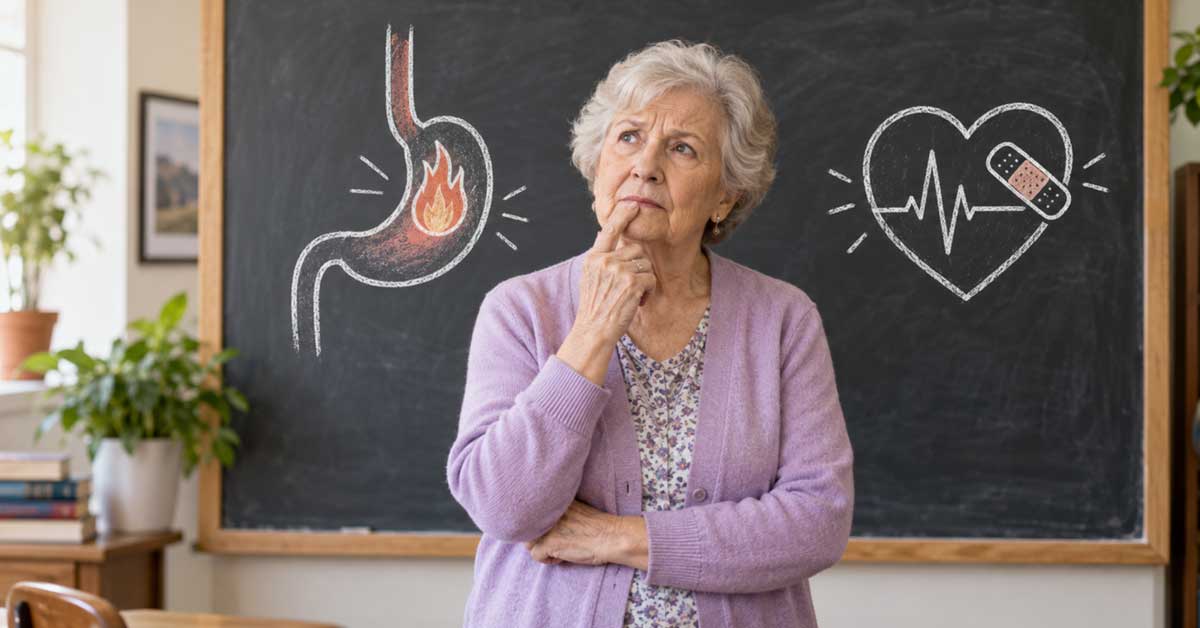
Heartburn or Heart Attack? For Older Adults, Timing Matters
Indigestion is common. Heart attacks are common, too. Unfortunately, the sensations can sometimes be similar, particularly for older adults. That makes one distinction especially important: when new or unexplained symptoms could be coming from the heart, time matters. Waiting to see whether the discomfort goes away can delay treatment during a heart attack. The American […]

Short Walks After Meals and Blood Glucose
Recent research continues to examine the relationship between physical activity and blood glucose levels, including whether the timing of activity around meals may influence blood glucose responses. A 2024 systematic review and meta-analysis published in Diabetes Research and Clinical Practice examined 28 human intervention studies comparing physical activity performed before meals with activity performed after […]

Personal Care Services at Home
As adults grow older, maintaining independence and remaining in a familiar home environment can become increasingly important. The National Institute on Aging (NIA) reports that many older adults prefer to remain in their homes as they age, a process commonly referred to as “aging in place.” At the same time, changes in mobility, safety, and […]

Recovering From Illness
Respiratory illnesses such as pneumonia can affect t more than the lungs. During and following an illness, older adults may experience fatigue, weakness, and changes in their ability to complete everyday activities. The National Institute on Aging (NIA) identifies personal care as an important component of home-based support for older adults who need assistance with […]

Physical Activity How Much is Enough?
Physical activity is widely recognized as an important component of overall health and well-being. Current federal guidance continues to examine the relationship between physical activity, sedentary behavior, and health outcomes across different age groups. The current Physical Activity Guidelines for Americans, developed by the U.S. Department of Health and Human Services, state that adults can […]
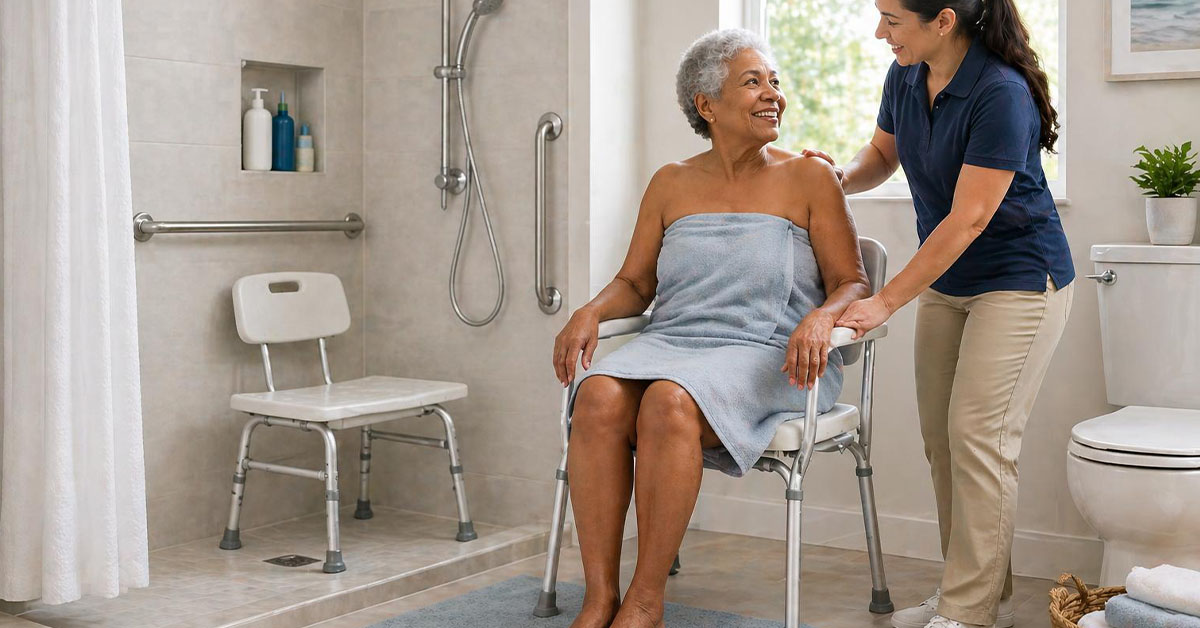
Bathing Assistance in the Home
We understand that maintaining personal hygiene is an important part of overall health, comfort, and quality of life. For many individuals receiving home health services, bathing can become difficult due to limited mobility, illness, injury, or age-related changes. Our goal is to provide compassionate bathing assistance that helps clients feel safe, respected, and confident while […]
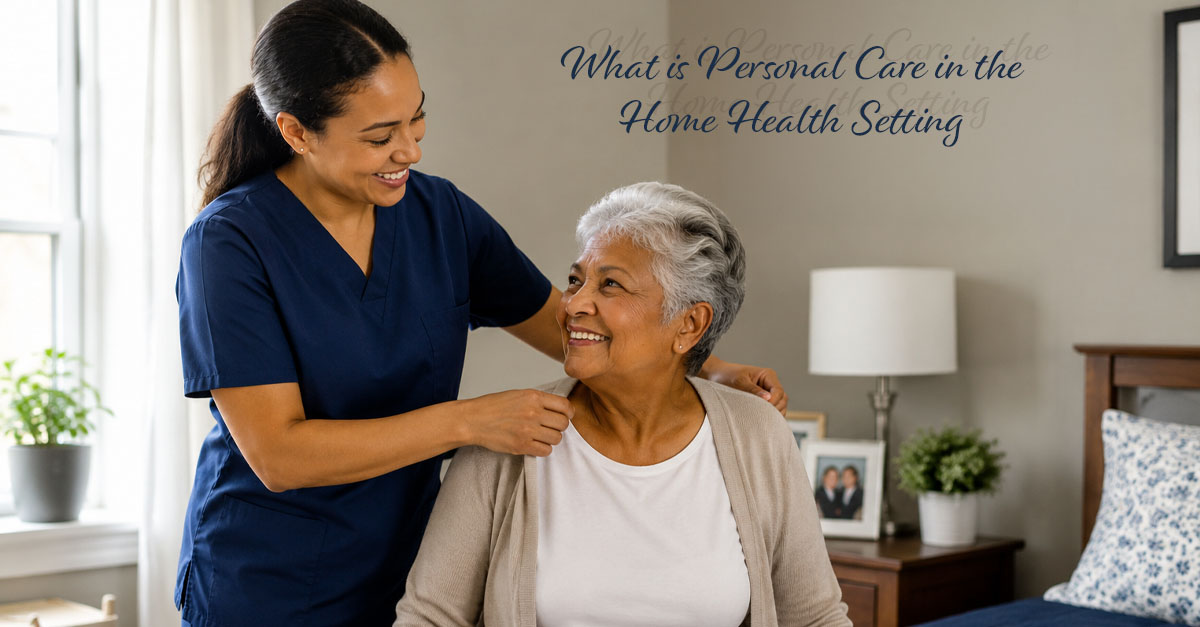
How Personal Care Supports Independent Living
For many older adults and individuals with disabilities, remaining at home is an important part of maintaining independence and quality of life. Rather than moving into a nursing home or assisted living facility, many people choose to receive support in their own homes whenever possible. Personal care services help make this possible by assisting with everyday activities while allowing individuals to remain in familiar surroundings. As the need for long-term care continues to grow, personal care has become an increasingly […]
